1491 by Charles Mann (book review)

1491 by Charles Mann (book review)

guns and germs…


Book review:

1491:

New Revelations of the Americas Before Columbus


by Charles Mann

New York: Vintage Books, 2011


1491 offers everything you never knew about civilized people in the Americas before the Europeans arrived and killed most of them (OK, many died in battle, but it was European diseases, mostly). Maybe close to 100 million “native” people died within 100 years or so of the “discovery” by Columbus…but hold on, this book is not about Wounded Knee-type criticism or ex post facto self-flagellation.

In 1491, Mann beautifully describes the marvelous sophistication of cultures, cities, agriculture, arts, and science that blossomed in North America, Central America, and South America thousands of years ago, in many cases predating achievements and growth and civilization in Europe.

Yes, the Incas never used the wheel except for children’s toys.

Yes, the Mississippian city of Cahokia was a bustling port and a trading center with population equal to Paris in France—and that was 500 years before Columbus sailed.

Yes, the Olmec culture in what is now Mexico invented the zero whole centuries before mathematicians in India did the same.

My recollection of schoolboy learning about the history of the Americas is that the dates and events were tied to discovery and conquest and colonization by Europeans. The implication was that, before the white men with guns, germs and steel arrived, nothing much was going on in whole continents characterized more by “virgin land” and “endless wilderness” than by people who had agriculture, city life, art, trade, commerce, religion, science, kings, and philosophers.

Mann offers 1491: New Revelations of the Americas Before Columbus. For me, the joy of reading this book is learning about the multiplicity of cultures that flourished in the Americas, and learning how they tamed and managed and very greenly conserved their environment…and for me, the sad revelation of this book is understanding that the peoples of the Americas were human beings whose achievements were noble and notable, and yet, lamentably, their cultural legacies are largely lost and the losses are barely mourned.

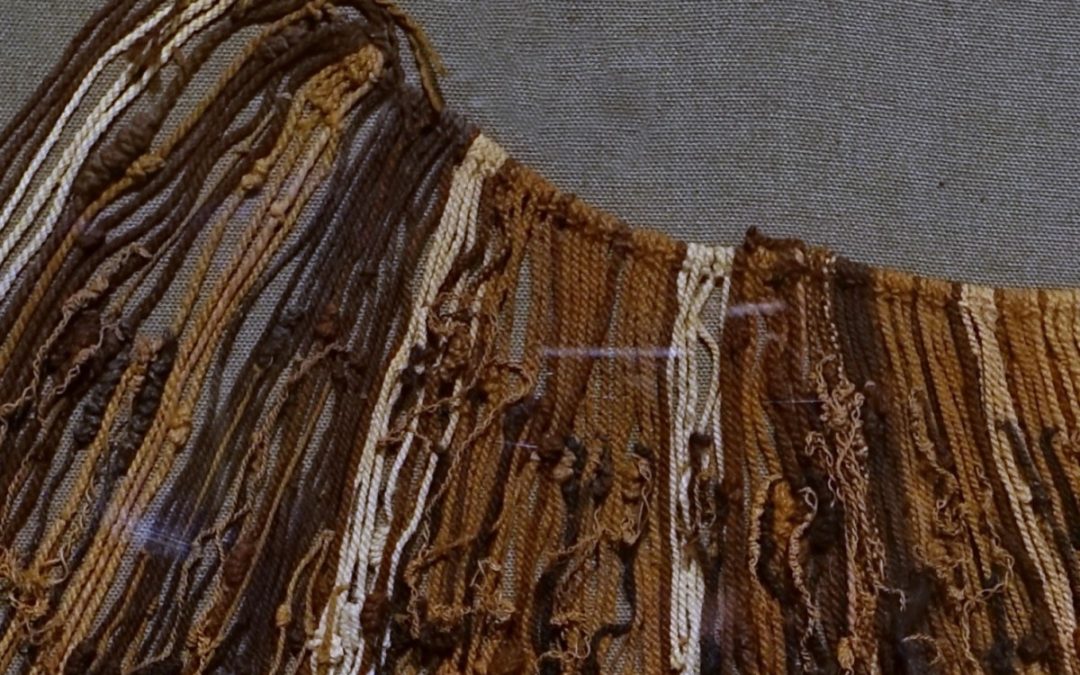
In 1533 Pizarro and his conquistadors at Cuzco precipitated the decline of the 300-year-old Inca empire in Peru. Fifty years later, the Spanish colonial administrators in Peru ordered the burning of all the Incan “khipu” knotted string records because they were “idolatrous objects.” Khipu were the Incas’ only form of writing. The smoke from the burning of their books gets in your eyes, forever and ever.

*   *   *   *   *   *

Book review. Copyright © Richard Carl Subber 2023 All rights reserved.


Book review: The Sea Runners

…it informs, it does not soar…

by Ivan Doig

click here

Writing Rainbows: Poems for Grown-Ups with 59 free verse and haiku poems,
and the rest of my poetry books are for sale on Amazon (paperback and Kindle)
and free in Kindle Unlimited, search Amazon for “Richard Carl Subber”

*   *   *   *   *   *
The Last European War (book review)

The Last European War (book review)

an informed passivity…


Book review:

The Last European War:

September 1939-December 1941


by John Lukacs

New Haven, CT: Yale University Press, 1976.


The Last European War is a typical scholarly Lukacs work, with high clarity insights and no inhibitions about expressing his informed critique of the work of other historians.

Lukacs illuminates the events, the leadership and the popular sentiments of national populations during the period leading up to the start of World War II and the initial conflict prior to the entry of the United States into the war in December 1941. I point to the word “national” to note the emphasis explained by Lukacs in The Last European War, based on his interpretation that national sentiments were of paramount importance in shaping both the popular reaction to war and the popular attitudes toward the conflict.

A strong impression: The people and leaders who were living through this turmoil had only marginal appreciation of the effectiveness and impact of their actions. Nevertheless, the Nazis’ rise to power was significantly facilitated by the passivity (an informed passivity, not a state of ignorance) of too many individuals who didn’t advocate a morally-framed opposition.

*   *   *   *   *   *

Book review. Copyright © Richard Carl Subber 2023 All rights reserved.


Book review: Saint Joan

the heart of a saint

by George Bernard Shaw

click here

As with another eye: Poems of exactitude with 55 free verse and haiku poems,
and the rest of my poetry books are for sale on Amazon (paperback and Kindle)
and free in Kindle Unlimited, search Amazon for “Richard Carl Subber”

*   *   *   *   *   *

Go Down Together…Bonnie and Clyde (book review)

Go Down Together…Bonnie and Clyde (book review)

they weren’t heroic…


Book review:

Go Down Together:

The True, Untold Story of Bonnie and Clyde


by Jeff Guinn (b1951)

New York: Simon and Schuster, 2009

467 pages


Newspaper coverage in the early 1930s turned Bonnie Parker and Clyde Barrow into nationwide celebrities. Movies and books have perpetuated the carelessly positive news coverage, and the often fictional heroic antics of the crime duo.

The matter-of-fact treatment in Go Down Together makes the unvarnished reality more clear: Bonnie and Clyde were wacky, violent, and vicious criminals who killed 13 people and spent their 21-month crime spree on the run, mostly living “…the mundane, routine Barrow Gang misery of camping in cars and dining on cans of cold beans.”

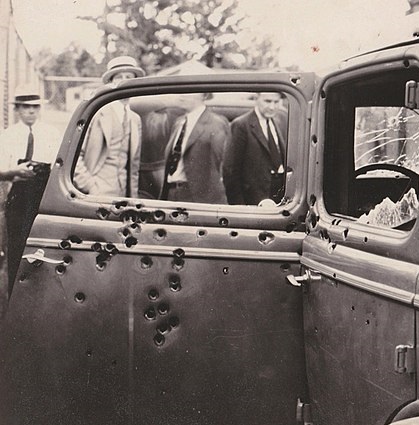
They were killed in an ambush on May 23, 1934, in Louisiana. Several officers of the law fired about 160 bullets at them in less than 20 seconds—neither Bonnie nor Clyde fired a single shot.

Nothing about Bonnie and Clyde makes a pretty picture.

*   *   *   *   *   *

Book review. Copyright © Richard Carl Subber 2023 All rights reserved.

As with another eye: Poems of exactitude with 55 free verse and haiku poems,
and the rest of my poetry books are for sale on Amazon (paperback and Kindle)
and free in Kindle Unlimited, search Amazon for “Richard Carl Subber”

*   *   *   *   *   *

Pin It on Pinterest