by Richard Subber | Dec 10, 2024 | Book reviews, Books, Human Nature, Joys of reading, Language, Reflections
give “…Pointed Firs” a try
Book review:
Sarah Orne Jewett: Novels and Stories
by Sarah Orne Jewett (1849-1909)
New York: Literary Classics of the United States, 1994
937 pages
Never heard of Sarah Orne Jewett? Give her prose a try.
Jewett’s characters are persuasively human—they are credible if not always completely likable. Her prose offers recurring truths about the human condition. It’s easy to feel good about her storytelling.
This Novels and Stories collection of course includes “The Country of the Pointed Firs,” Jewett’s first-rate short novel. You’ll also find “Deephaven,” the Dunnet Landing stories, and others.
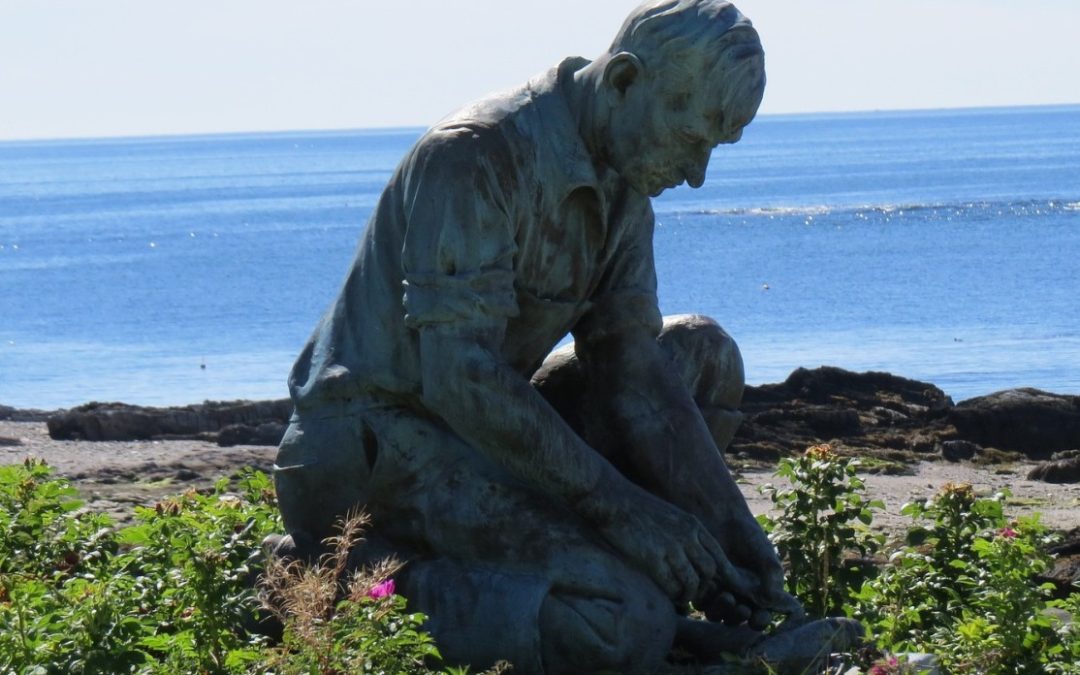
“…Pointed Firs” is an 1896 novel that describes some of the people and places of coastal Maine, and tells their stories with comfortable familiarity, reflective insight, and respectful love.
Can an old fisherman’s consuming memories of his departed wife bring tears to your eyes?
Read the story and find out.
* * * * * *
Book review. Copyright © Richard Carl Subber 2024 All rights reserved.
Book review: Shakespeare’s Wife
Germaine Greer went overboard a bit…
–
My first name was rain: A dreamery of poems with 53 free verse and haiku poems,
and the rest of my poetry books are for sale on Amazon (paperback and Kindle)
and free in Kindle Unlimited, search Amazon for “Richard Carl Subber”
* * * * * *
by Richard Subber | Dec 7, 2024 | Human Nature, Reflections, Tidbits
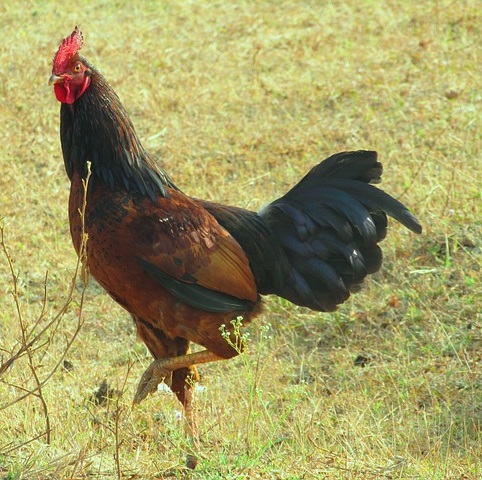
roosters know much…
An anonymous and potentially wise person said:
“The older I get, the more I understand
why roosters just scream to start their day.”
…and one of my top favorite authors says she’s learned from others about the merits of this quick morning prayer:
“Whatever!”
I used to recite this one when I rolled out of bed:
“It’s show time!”
* * * * * *
Copyright © Richard Carl Subber 2024 All rights reserved.
Book review: The Sea Runners
…it informs, but it does not soar…
by Ivan Doig
–
My first name was rain: A dreamery of poems with 53 free verse and haiku poems,
and the rest of my poetry books are for sale on Amazon (paperback and Kindle)
and free in Kindle Unlimited, search Amazon for “Richard Carl Subber”
* * * * * *

by Richard Subber | Dec 3, 2024 | Book reviews, Books, Human Nature, Joys of reading, My poetry, Poetry, Reflections, Theater and play reviews
unforgettable…
Movie review and book review:
Atonement
Atonement is a story of lives of irredeemable sadness. Ian McEwan wrote the book that is faithfully portrayed in this 2007 film (rated R, 123 minutes)—it got seven Oscar nominations—starring Keira Knightley (Cecilia), James McAvoy (Robbie), Romola Garai (child Briony), Saoirse Ronan (18-year-old Briony), and Vanessa Redgrave (mature Briony).
In brief: Briony, a child, tells a dreadful lie about her sister’s lover, forcing Cecilia and Robbie to live separate, desperately tormented lives during World War II.
This poem is my “Thumbs Up” review of the movie and the book.
Unforgettable
This memory is lava hot,
it mingles, lava slow,
in all my thoughts,
in all my mind.
It is a crumble, peat, dark,
peat rich, no single whole,
but bits of all.
I cannot grasp it entire.
It fills me,
it is full of me,
full with my dread imaginings,
full with my discarded dreams,
so full…
It burns, it sears,
a red haze in my every gaze,
a scarlet shackle on each heartbeat.
I accept the impotence of atonement.
My long-ago childish deed cannot be undone,
that indulgence in excitement
and attention and novelty
and vengeance and purest love.
Unbidden, I saw an act I didn’t understand,
two lovers, I cherished them,
their coupling had no inner meaning for me,
yet showed they had more love for each other
than each for me…
Later, a twisted crime he did not—could not—commit,
yet I accused—“I saw him”—I lied,
to hurt him and to keep her, apart, for me.
That lie broke them.
At that moment, the words tasted brave
and older than my years.
The taste became gall.
Later, I was to know that I killed them.
My life has been my penance.
Now I understand what I could not see
and could not then feel.
Now I feel their horror that I invented
in place of their happiness.
Now I endure the unhappiness
they could not escape,
the terror born of a child’s simple plan
in a child’s heart.
…I keep those false words—“I saw him”—
spoken in righteous innocence,
in unknowable ignorance,
in unremembered pleasure…
I did not know I was trading my portion of happiness
for a memory that I keep
in a hole in my heart.
* * * * * *
Movie review. Book review. Copyright © Richard Carl Subber 2024 All rights reserved.
–
In other words: Poems for your eyes and ears with 64 free verse and haiku poems,
and the rest of my poetry books are for sale on Amazon (paperback and Kindle)
and free in Kindle Unlimited, search Amazon for “Richard Carl Subber”
* * * * * *

by Richard Subber | Nov 21, 2024 | Human Nature, Reflections, Tidbits
the truth thing…
“Truth lies open for all…”
Seneca the Younger (c. 4BCE:65CE)
his Moral Letters, 33.11
ain’t it the truth…
* * * * * *
Copyright © Richard Carl Subber 2024 All rights reserved.
Book review: The Financier
Theodore Dreiser’s villain…
–
In other words: Poems for your eyes and ears with 64 free verse and haiku poems,
and the rest of my poetry books are for sale on Amazon (paperback and Kindle)
and free in Kindle Unlimited, search Amazon for “Richard Carl Subber”
* * * * * *
by Richard Subber | Nov 19, 2024 | Human Nature, My poetry, Poetry, Reflections
76 trombones…
Grace
As we gather here
we learn once more
that each of us is one,
that we hear our own music,
and yet we know
that 76 trombones
sound better than one.
We learn once more
that we are family,
and we like each other.
Food probably was the first thing
that humans shared.
It’s a nice tradition.
Let’s be grateful
for our good food
and our good fellowship.
Savannah, GA
November 24, 2022
* * * * * *
My poetry. Copyright © Richard Carl Subber 2024 All rights reserved.
Book review: The Bridges of Madison County
If you’re looking for
highly stoked eroticism
and high-rolling lives
that throw off sparks when they touch,
look elsewhere.
by Robert Waller
–
In other words: Poems for your eyes and ears with 64 free verse and haiku poems,
and the rest of my poetry books are for sale on Amazon (paperback and Kindle)
and free in Kindle Unlimited, search Amazon for “Richard Carl Subber”
Your comments are welcome—tell me what you’re thinking.
* * * * * *
by Richard Subber | Nov 12, 2024 | Book reviews, Books, History, Human Nature, World history
a corpse in the mirror
Book review:
Night
by Elie Wiesel (1928-2016)
Buchenwald survivor
Stella Rodway, trans.
New York: Bantam Books, 1958
109 pages
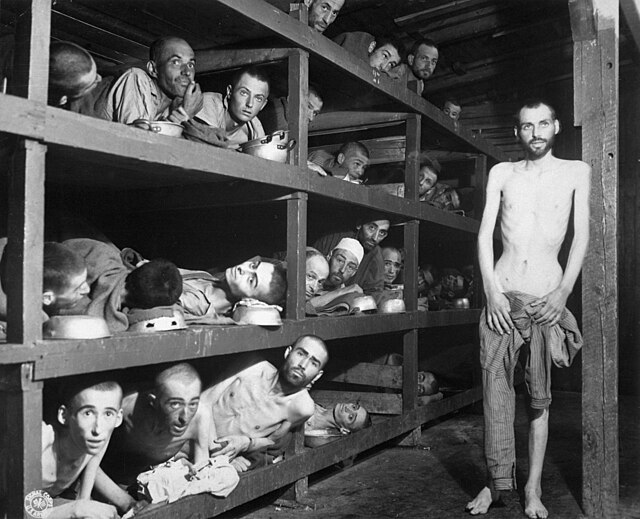
In Night, Elie Wiesel tells his story of being a teenage boy in the death camps of Nazi Germany during World War II.
He uses the necessary words, and he speaks from the depths.
Wiesel lost his mother, his father, and his young sister in the camps.
He was liberated from Buchenwald by American soldiers on April 11, 1945.
Wiesel recalls that after he was freed, he saw his reflection in a mirror for the first time since he was transported:
“From the depths of the mirror, a corpse gazed back at me.”
* * * * * *
Book review. Copyright © Richard Carl Subber 2024 All rights reserved.
Home Team: Poems About Baseball (book review)
Edwin Romond hits one more homer…
–
Writing Rainbows: Poems for Grown-Ups with 59 free verse and haiku poems,
and the rest of my poetry books are for sale on Amazon (paperback and Kindle)
and free in Kindle Unlimited, search Amazon for “Richard Carl Subber”
* * * * * *
