by Richard Subber | Aug 29, 2026 | American history, Book reviews, Books, History, Joys of reading, Revolutionary War
a primary mover
Book review:
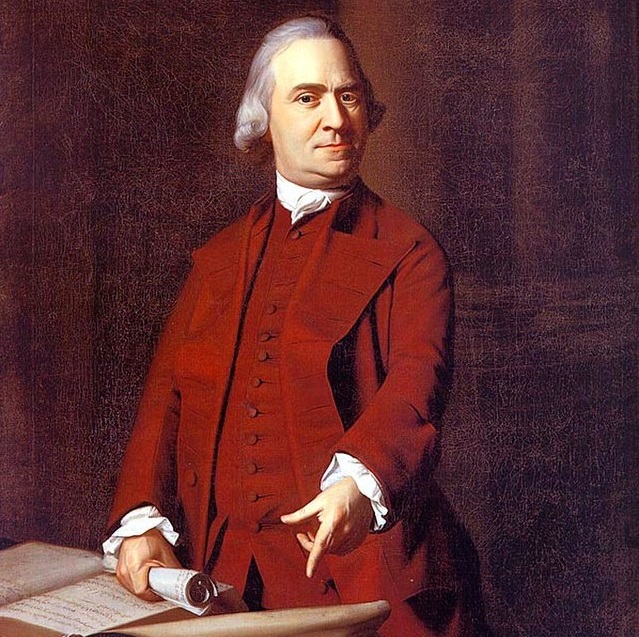
The Revolutionary: Samuel Adams
by Stacy Schiff (b1961)
New York: Little, Brown and Company, 2022
422 pages
If this is your first encounter with Stacy Schiff, you can guess it won’t be your last.
She writes powerful prose that makes you want to linger over the words, to learn more deeply, and to experience her transformation of history into something believable and real.
Samuel Adams was a primary mover of the American revolution.
The British loyalists on this side of the pond and the king and Parliament on the other side recognized his vital role in bringing the colonial Americans around to their ultimate decision to cut the ties that bound them to England and its king.
Samuel Adams tells a whole lot more about the story of the man than you learned before.
Take some time to read it.
* * * * * *
Book review. Copyright © Richard Carl Subber 2026 All rights reserved.
Book review: Waterloo
The slightly Hollywood bravery
of Richard Sharpe,
the butcher’s work done at the battle…
by Bernard Cornwell
–
Empyrean: new poems with 57 free verse poems,
and the rest of my poetry books are for sale on Amazon (paperback and Kindle)
and free in Kindle Unlimited, search Amazon for “Richard Carl Subber”
* * * * * *
by Richard Subber | Aug 27, 2026 | American history, History, Human Nature, Politics, Power and inequality
Do a good thing today…
“…the only tired I was, was tired of giving in.”
Rosa Louise McCauley Parks (1913-2005)
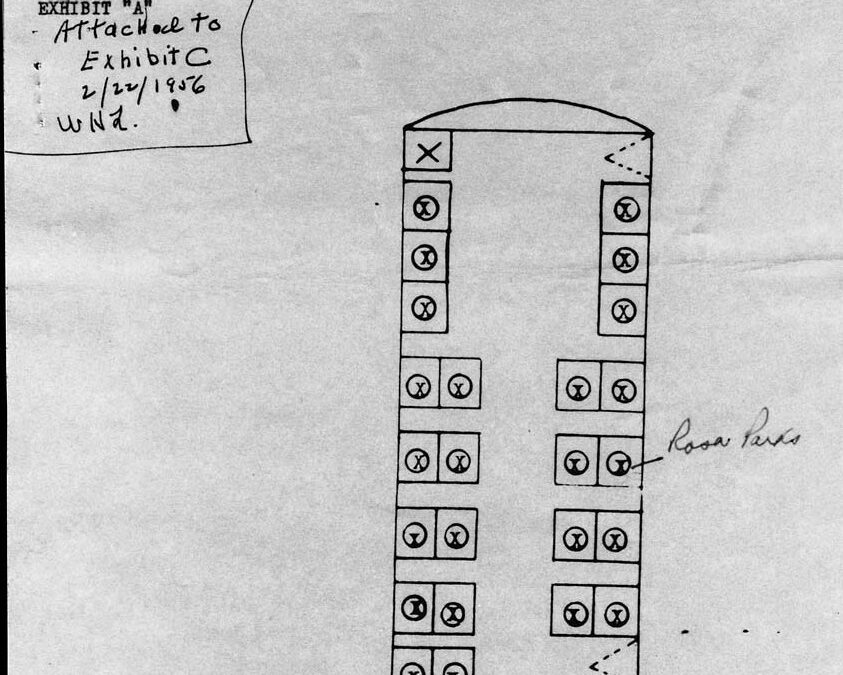
You remember…Rosa Parks wouldn’t give her seat
to a white man on the bus in Montgomery in 1955…
* * * * * *
Copyright © Richard Carl Subber 2026 All rights reserved.
The Scarlet Letter, victim of Hollywood
Nathaniel Hawthorne’s version is best
–
Seeing far: Selected poems with 47 free verse and haiku poems,
and the rest of my poetry books are for sale on Amazon (paperback and Kindle)
and free in Kindle Unlimited, search Amazon for “Richard Carl Subber”
* * * * * *
by Richard Subber | Aug 25, 2026 | My poetry, Poetry
take a quick look
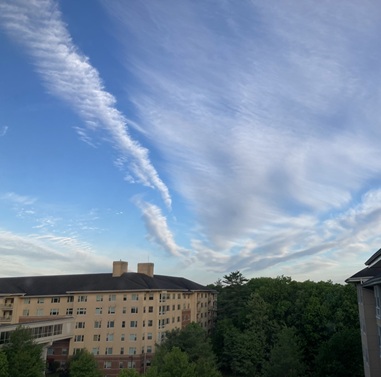
Escape
Hustling through the sky,
who knows where it goes,
this scumbled track on the move,
it has no final stop in mind,
it runs, it flows,
it escapes to another sky,
and far away,
it thins, it slows,
it fades.
May 31, 2026
* * * * * *
My poetry. Copyright © Richard Carl Subber 2026 All rights reserved.
Book review: The Snow Goose
…sensual drama, eminently poetic…
by Paul Gallico
–
In high meadows: poems abide with 60 free verse poems,
and the rest of my poetry books are for sale on Amazon (paperback and Kindle)
and free in Kindle Unlimited, search Amazon for “Richard Carl Subber”
Your comments are welcome—tell me what you’re thinking.
* * * * * *

by Richard Subber | Aug 23, 2026 | Theater and play reviews
sure, but…
Movie review:
Doubt
If certainty is your thing, this just isn’t the movie for you.
If you’re willing to share the numbing bleakness of a wish for certainty that gets chased by doubts, the little ones and the big ones, then Doubt is the ticket.
Meryl Streep is the hard-charging Sister Aloysius who’s all too ready to nail the apparent child-abusing priest in her school. Philip Seymour Hoffman is Father Flynn, who acts and talks guilty and innocent in scene after scene. Amy Adams is Sister James, who wants to believe him even though she personally experiences some of the putative evidence against him.
Doubt (2008, rated PG-13, 104 minutes) offers dramatic potency, high-class personality clashes, and deep, deep ambiguity in the final scenes that will not satisfy you, but will tie your emotions in a knot.
There’s no doubt about that.
* * * * * *
Movie review. Copyright © Richard Carl Subber 2026 All rights reserved.
Book review: The Scarlet Letter
the beating hearts…by Nathaniel Hawthorne
–
In other words: Poems for your eyes and ears with 64 free verse and haiku poems,
and the rest of my poetry books are for sale on Amazon (paperback and Kindle)
and free in Kindle Unlimited, search Amazon for “Richard Carl Subber”
* * * * * *

by Richard Subber | Aug 20, 2026 | My poetry, Poetry, Reflections
filling the horizons
green, green
Green is everywhere,
it’s in the trees,
covers the ground,
it sprawls,
fills the horizons,
boasts its green-ness,
sings of life,
hums its faithful hue,
it welcomes me,
this color of joy.
June 4, 2026
* * * * * *
My poetry. Copyright © Richard Carl Subber 2026 All rights reserved.
Book review: The Comanche Empire
the other story of the American West…
–
In high meadows: poems abide with 60 free verse poems,
and the rest of my poetry books are for sale on Amazon (paperback and Kindle)
and free in Kindle Unlimited, search Amazon for “Richard Carl Subber”
Your comments are welcome—tell me what you’re thinking.
* * * * * *
