
by Richard Subber | May 17, 2026 | Poetry, Reviews of other poets, Tidbits
the drawbridge is creaking…
“…How can you ask a princess
To deal with this terrible mess?
Wake me again in another hundred years.”
from the children’s poem “…and after a hundred years had passed, Sleeping Beauty awoke (at last!) from her slumber” by Judith Viorst, in her book Sad Underwear, New York: Atheneum Books for Young Readers, 1995
* * * * * *
Copyright © Richard Carl Subber 2026 All rights reserved.
Book review: Shakespeare’s Wife
Germaine Greer went overboard a bit…
–
Seeing far: Selected poems with 47 free verse and haiku poems,
and the rest of my poetry books are for sale on Amazon (paperback and Kindle)
and free in Kindle Unlimited, search Amazon for “Richard Carl Subber”
* * * * * *

by Richard Subber | May 14, 2026 | Book reviews, Books, Poetry, Reviews of other poets
una canción
Book review:
Bookjoy, Wordjoy
by Pat Mora (b1942)
New York: Lee and Low Books, Inc., 2018
32 pages
“una canción del corazón”
a song of the heart, Pat Mora’s Bookjoy, Wordjoy
If you read these poems aloud, your feet will start dancing.
* * * * * *
Book review. Copyright © Richard Carl Subber 2026 All rights reserved.
Movie review: Same Time, Next Year
all-American adultery, oh yeah…
–
In other words: Poems for your eyes and ears with 64 free verse and haiku poems,
and the rest of my poetry books are for sale on Amazon (paperback and Kindle)
and free in Kindle Unlimited, search Amazon for “Richard Carl Subber”
* * * * * *
by Richard Subber | May 12, 2026 | My poetry, Poetry, Reflections
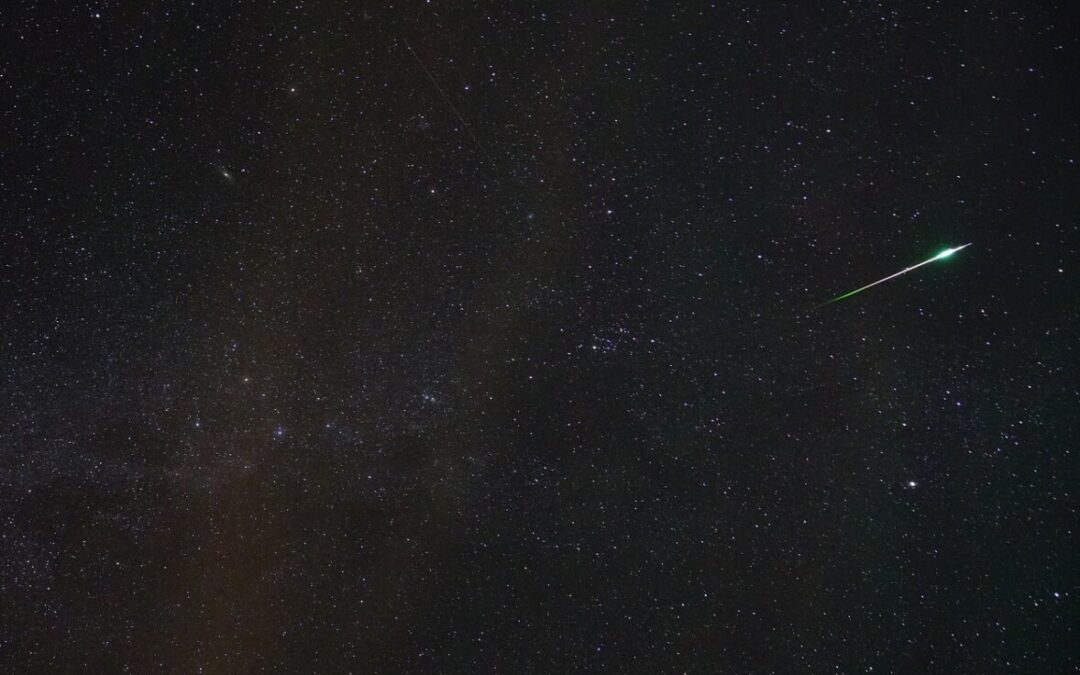
rise to be a star
being star
How can you pick one to name?
Are they close or far?
Can they dance?
Is it hard to be a star?
Become a star.
Everything can be star,
words are constellations,
shining is so easy,
so good,
such beginning,
you can rise to be a star,
be celestial…
twinkle.
February 22, 2026
Inspired by “Tender Astronomy” by Rosemerry Wahtola Trommer, Feb. 20, 2026,
and by “Winter’s Tale” movie (2014)
* * * * * *
My poetry. Copyright © Richard Carl Subber 2026 All rights reserved.
Book review: Shantung Compound
They didn’t care much
about each other…
by Langdon Gilkey
–
Empyrean: new poems with 57 free verse poems,
and the rest of my poetry books are for sale on Amazon (paperback and Kindle)
and free in Kindle Unlimited, search Amazon for “Richard Carl Subber”
Your comments are welcome—tell me what you’re thinking.
* * * * * *
by Richard Subber | May 7, 2026 | Human Nature, Joys of reading, Language, Reflections, Tidbits
the ducks don’t think about us…
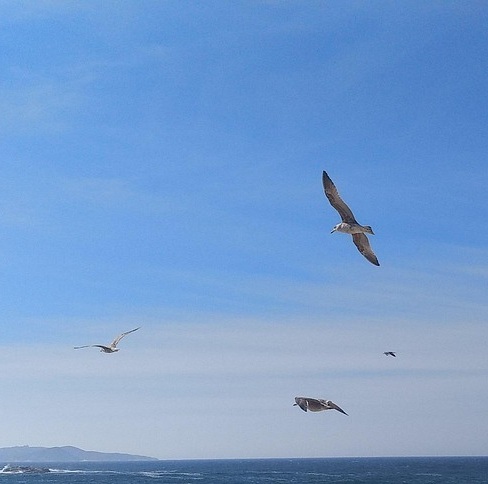
“…he looked ahead and saw a flight of wild ducks
etching themselves against the sky over the water,
then blurring, then etching again
and he knew no man was ever alone on the sea.”
from:
The Old Man and the Sea
Ernest Hemingway (1899-1961)
New York: Charles Scribner’s Sons, 1952
127 pages
pp. 60-61
* * * * * *
Copyright © Richard Carl Subber 2026 All rights reserved.
Book review: “Bartleby, the Scrivener”
Loneliness beyond understanding…
by Herman Melville
–
In other words: Poems for your eyes and ears with 64 free verse and haiku poems,
and the rest of my poetry books are for sale on Amazon (paperback and Kindle)
and free in Kindle Unlimited, search Amazon for “Richard Carl Subber”
* * * * * *
by Richard Subber | May 3, 2026 | My poetry, Poetry
The Book of Days
The dawn’s early light can be pleasure enough for the whole day.
There are words enough to tell the story of “the temptation of day to come.”
It is my delight to write some of them for your delectation.
Tiers
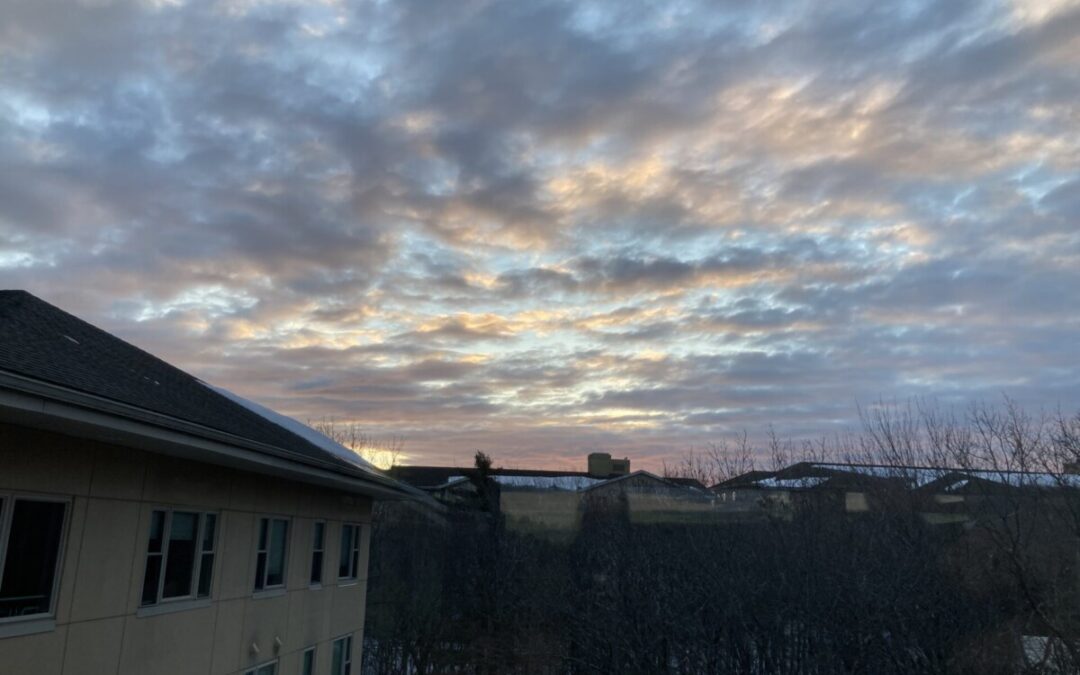
These tiers, they mock the muted sky,
they roll and roil, they flash in flight,
they chase each other, chase the night…
One moment crisp, the next is plum,
and then each wisp can just become
a layered fold, a bend, a style,
a crease that beckons dawn,
a clouded bank—
the tiers portend the star of day.
February 20, 2026
* * * * * *
My poetry. Copyright © Richard Carl Subber 2026 All rights reserved.
Book review: Shawshank Redemption
A world I do not want to know…
by Stephen King
–
many waters: more poems with 53 free verse poems,
and the rest of my poetry books are for sale on Amazon (paperback and Kindle)
and free in Kindle Unlimited, search Amazon for “Richard Carl Subber”
Your comments are welcome—tell me what you’re thinking.
* * * * * *

by Richard Subber | Apr 30, 2026 | My poetry, Poetry, Reflections
huggery works…
I knew what I had to do,
I tried rockin’ and rollin’ with the punch…
Wave off
One of today’s chances,
the not so good kind…
it came my way.
I said “I know you,
you want to take my time,
and that’s all that I will give—
I will not offer up
my peace of mind,
or my resolve to do good things,
or my sense that I may
hug the afternoon
and be happy
to embrace the balance of the day.”
September 14, 2018
My poem “Wave off” was published in my third collection of 64 poems, In other words: Poems for your eyes and ears. You can buy it on Amazon (paperback and Kindle), or get it free in Kindle Unlimited, search for “Richard Carl Subber”
* * * * * *
My poetry. Copyright © Richard Carl Subber 2026 All rights reserved.
Book review: The Sea Runners
…it informs, it does not soar…
by Ivan Doig
–
Writing Rainbows: Poems for Grown-Ups with 59 free verse and haiku poems,
and the rest of my poetry books are for sale on Amazon (paperback and Kindle)
and free in Kindle Unlimited, search Amazon for “Richard Carl Subber”
Your comments are welcome—tell me what you’re thinking.
* * * * * *
