
by Richard Subber | Sep 22, 2026 | My poetry, Poetry, Reflections
teasing for recognition
facta
She has a plan.
The cotton balls are vital,
she keeps a handy supply of
cardboard and colored paper,
tape is essential,
tape is the key
to all exactness in the doing,
speed is not exactly the entire reality
but deliberate haste is her style,
she builds with mute devotion to the outcome,
identity is not so needful
as function and connection,
her creatures are elegant monstrosities,
her temples are sturdy elaborations of design
and form that find barely imagined boundaries,
her hybrids tease for recognition
in their own dimensions,
her work is her success, her doing, her design.
She’s busy, she never looks up…
July 21, 2019
If you have good stuff, you can make anything.
It helps if you can imagine everything.
My poem “facta” was published in my eighth collection of 57 poems, Empyrean: new poems.
You can buy it on Amazon (paperback and Kindle),
or get it free in Kindle Unlimited, search for “Richard Carl Subber”
* * * * * *
My poetry. Copyright © Richard Carl Subber 2026 All rights reserved.
The Wind and the Lion (1975)
heroic, the way it was…(movie review)
–
many waters: more poems with 53 free verse poems,
and the rest of my poetry books are for sale on Amazon (paperback and Kindle)
and free in Kindle Unlimited, search Amazon for “Richard Carl Subber”
Your comments are welcome—tell me what you’re thinking.
* * * * * *
by Richard Subber | Sep 20, 2026 | History, Theater and play reviews, World history
from the heart, a patriot
Movie review:
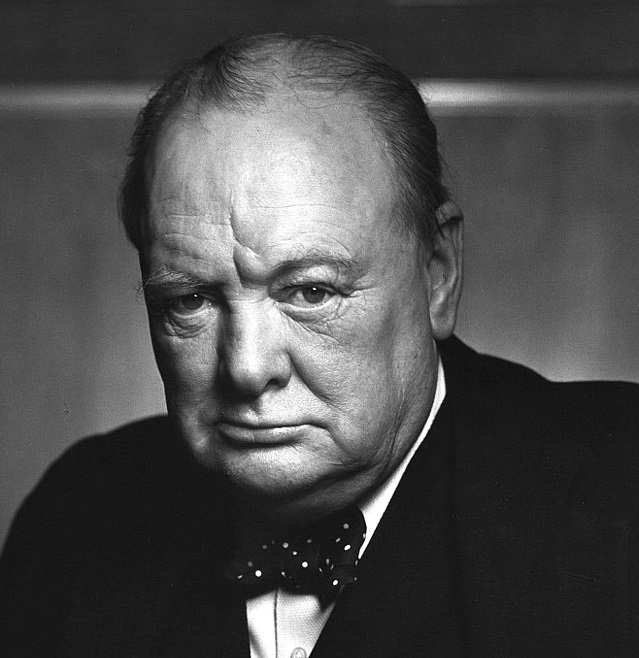
Darkest Hour
Gary Oldman was 59 years old when he won an Oscar (Best Actor) for giving us a completely believable Winston Churchill who decided in June 1940 to fight Hitler instead of settling for a completely risky peace agreement.
Darkest Hour (2019, rated PG-13, 125 minutes) is a gem. Oldman is Churchill: overweight, jowly, devotee of long cigars and whiskey, imperious, meekly in love with Clementine (he called her “Clemmie,” she called him “Pig”), a flamboyant patriot, and wartime leader.
Churchill was a career politician, of course, and Oldman deftly portrays his Machiavellian strengths and weaknesses.
Churchill was an aristocratic patriot in the core of his being.
Less than a month after he became prime minister, Churchill energized Parliament:
“We shall defend our island…we shall fight on the beaches…on the landing grounds…in the fields…in the streets…in the hills…we shall never surrender.”
Darkest Hour is Churchill’s (Oldman’s) bright triumph.
* * * * * *
Movie review. Copyright © Richard Carl Subber 2026 All rights reserved.
Book review: The Sea Runners
…it informs, it does not soar…
by Ivan Doig
–
In high meadows: poems abide with 60 free verse poems,
and the rest of my poetry books are for sale on Amazon (paperback and Kindle)
and free in Kindle Unlimited, search Amazon for “Richard Carl Subber”
* * * * * *

by Richard Subber | Sep 17, 2026 | My poetry, Poetry, Reflections
so much of life
a welcome
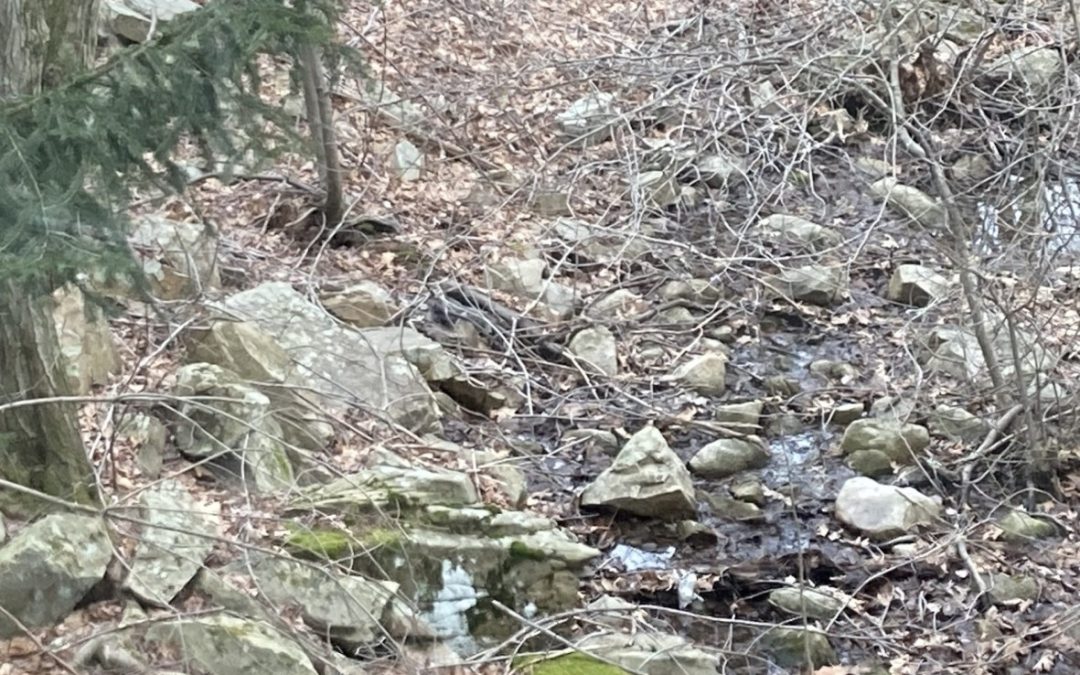
wandering in the woods,
wondering in the woods,
feeling like a stranger,
listening for the friendly sounds
and the queries
of the creatures
who will remain after I go,
finding the old trail,
walking the old bend,
recalling the blissful view
of water and bank and dam
and old dead tree
that won’t bud and won’t budge.
The woods are dark and deep,
and they make a welcome
in the shady spots,
and they urge a walker
through the sunny spots,
and they sing a ceaseless song
for all who listen.
So much life,
and little deaths too,
but so much life.
July 21, 2026
Image courtesy of Nancy Bryant
Copyright © Richard Carl Subber 2026 All rights reserved.
* * * * * *
My poetry. Copyright © Richard Carl Subber 2026 All rights reserved.
Book review: The Bartender’s Tale
Ivan Doig’s story, I mostly loved it…
–
In high meadows: poems abide with 60 free verse poems,
and the rest of my poetry books are for sale on Amazon (paperback and Kindle)
and free in Kindle Unlimited, search Amazon for “Richard Carl Subber”
Your comments are welcome—tell me what you’re thinking.
* * * * * *
by Richard Subber | Sep 15, 2026 | Book reviews, Books, Human Nature
it’s good storytelling
Book review:
Brian’s Hunt
by Gary Paulsen (1939-2021)
New York: Ember, Random House Children’s Books, 2003
103 pages
Gary Paulsen writes for young people, but any adult reader can readily see that the stories are realistic, and fully readable. It’s good storytelling.
Brian’s Hunt is about a teenage boy who is at home in the woods, can survive on his own, and ultimately hunts a bear that is hunting him. Brian is a completely credible character. When he walks at the water’s edge, the reader can feel the mud between his toes.
The story line is simple and singular. The challenges of life in the wild are all too easy to experience vicariously. There is learning.
There is the satisfaction of the preferred outcome.
* * * * * *
Book review. Copyright © Richard Carl Subber 2026 All rights reserved.
Dead Wake: The Last Crossing of the Lusitania (book review)
consistent tension, a page turner…
by Erik Larson
–
As with another eye: Poems of exactitude with 55 free verse and haiku poems,
and the rest of my poetry books are for sale on Amazon (paperback and Kindle)
and free in Kindle Unlimited, search Amazon for “Richard Carl Subber”
* * * * * *

by Richard Subber | Sep 12, 2026 | My poetry, Poetry, Reflections
a thing of great wonder
getting closer
The word “finality”
seems to be on my mind,
I don’t think the end is near,
but I think of it more often.
I don’t think I’m afraid to die,
but it can be a thing of wonder.
My younger me had almost no time
to think of ending,
but now it seems more real.
July 12, 2026
* * * * * *
My poetry. Copyright © Richard Carl Subber 2026 All rights reserved.
Book review: The Blithedale Romance
by Nathaniel Hawthorne, not his best…
–
In high meadows: poems abide with 60 free verse poems,
and the rest of my poetry books are for sale on Amazon (paperback and Kindle)
and free in Kindle Unlimited, search Amazon for “Richard Carl Subber”
Your comments are welcome—tell me what you’re thinking.
* * * * * *
